

Best Wildflowers to Plant in Spring: Fast-Blooming Picks for Color and Pollinator Support
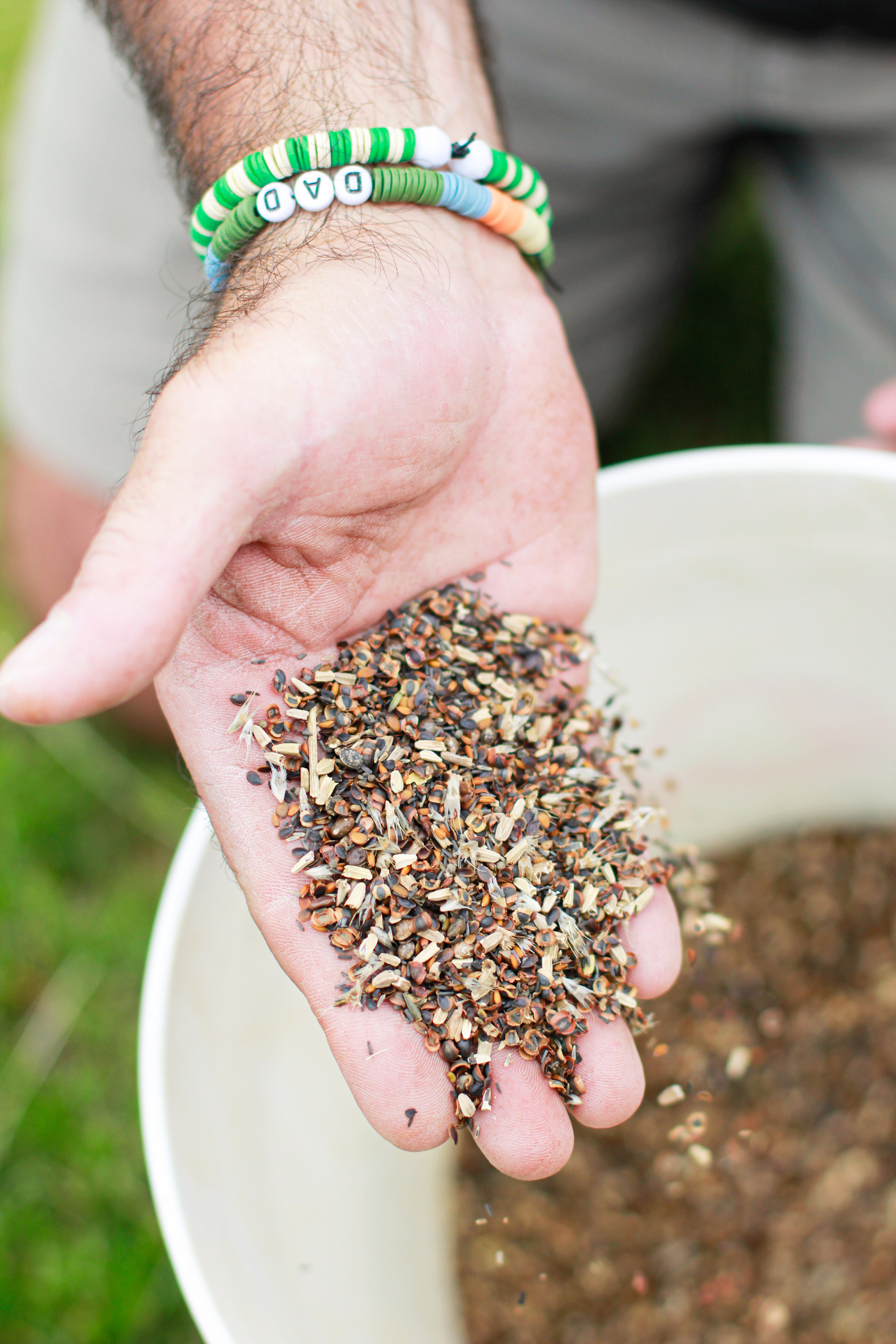
Spring is a great time to sow wildflower seeds, and success starts with quality—choose mixes that are clearly labeled, free of fillers, non-GMO, and neonicotinoid-free to support healthy pollinators from the very beginning of the season.

Fast-growing annual wildflowers deliver first-year blooms from seed while providing essential nectar for bees, butterflies, and other pollinators throughout the season.
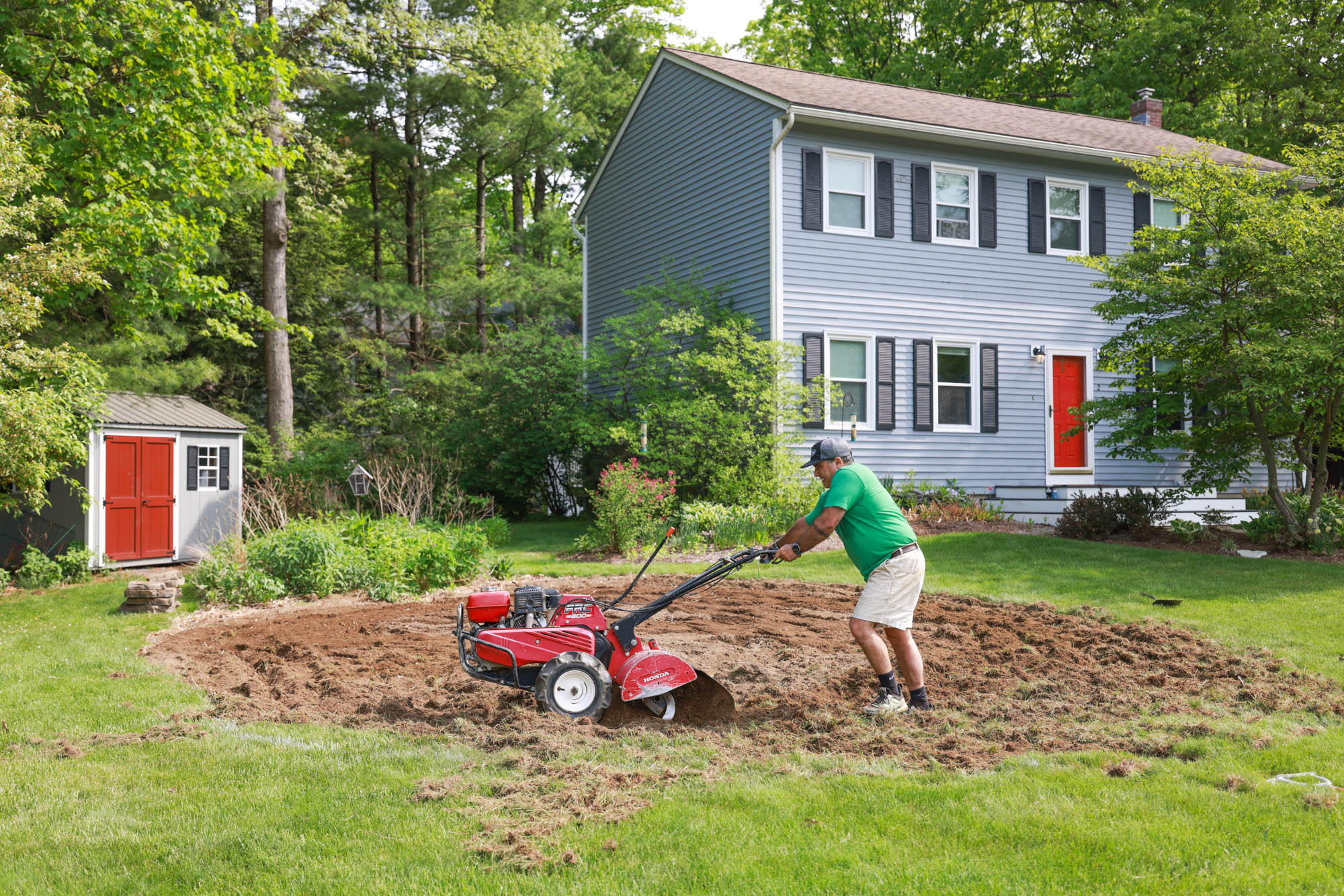
Mike “The Seedman” Lizotte prepares a lawn for spring wildflower planting—removing existing turf and loosening the soil to ensure strong seed-to-soil contact and better germination.
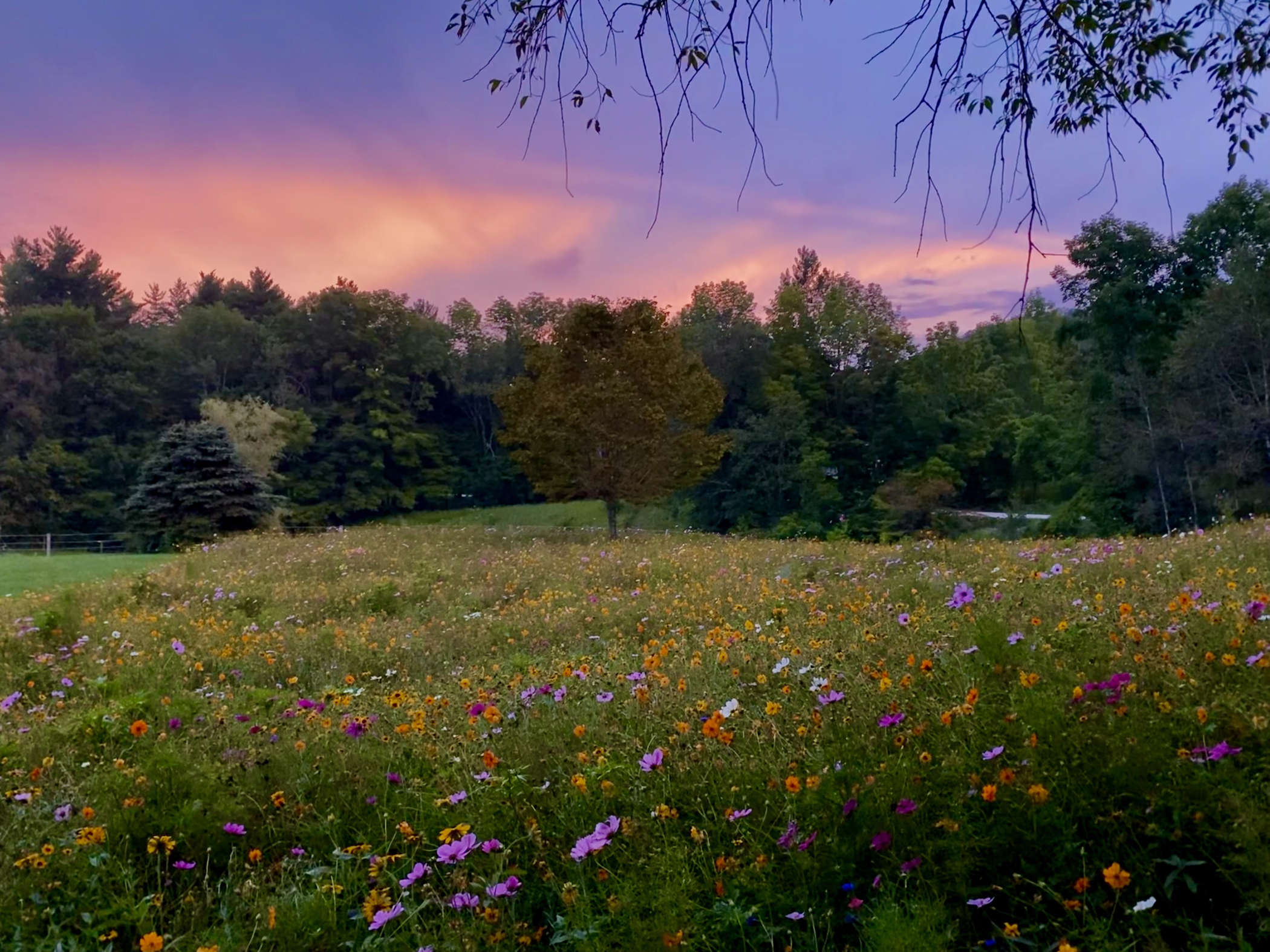
A wildflower meadow in full bloom offers more than seasonal color—it creates a living landscape filled with movement, pollinators, and a sense of calm that builds year after year from a simple spring planting.
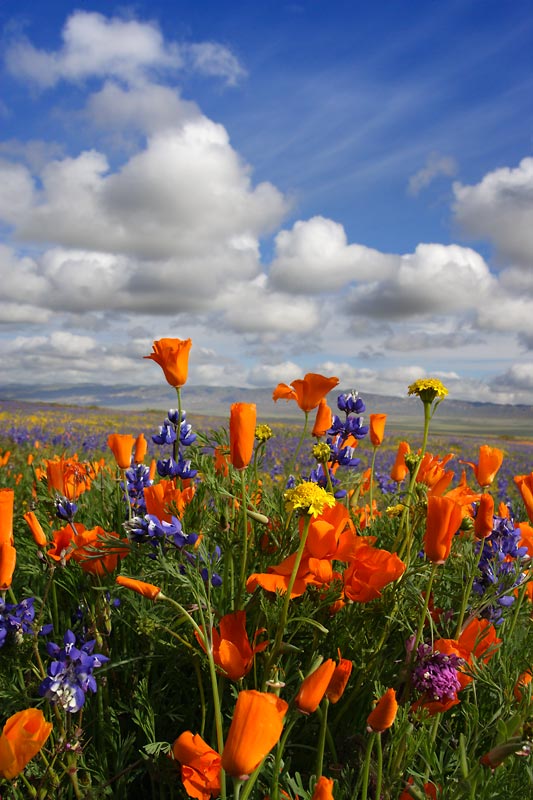
California poppies are among the earliest wildflowers to bloom from spring-planted seed, delivering fast color while supporting pollinators in dry and western regions.
As spring planting begins across the U.S., garden experts at American Meadows share what wildflowers to plant for faster blooms and early pollinator support.
“Spring is one of the best opportunities to establish wildflowers from seed, but timing and selection make all the difference,” said Tabar Gifford, Plant Geek, Master Gardener and Partnership Cultivator at American Meadows. “When gardeners match their seed choices to their region and focus on fast-establishing varieties, they can see blooms in just a matter of weeks.”
FAST-GROWING WILDFLOWERS FOR EARLY SEASON COLOR
For gardeners looking to establish blooms quickly, these annual wildflowers are known for fast germination and strong first-season performance across a wide range of U.S. climates:
• California Poppy (Eschscholzia californica) – One of the earliest bloomers, especially in mild or dry climates; drought-tolerant and quick to establish
• Annual Phlox (Phlox drummondii) – Fast to bloom in cooler spring conditions, providing early color and pollinator support
• Blue Gilia (Gilia capitata) – Early-season blooms with strong adaptability to different soils and climates
• Plains Coreopsis (Coreopsis tinctoria) – Reliable and fast-growing, with heavy blooms early in its first season
• Indian Blanket / Firewheel (Gaillardia pulchella) – Quick to establish and blooms early, continuing through heat and drought
• Rocky Mountain Bee Plant (Cleome serrulata) – Establishes quickly and produces abundant nectar as the season progresses
• Common Sunflower (Helianthus annuus) – Fast-growing and highly impactful for pollinators and birds
These annuals are especially valuable for early-season pollinators, helping provide consistent nectar as ecosystems begin to wake up in spring.
Many of the fastest-blooming wildflowers for spring planting are annuals grown from seed, which complete their life cycle in one season and can begin flowering in as little as six to eight weeks. In contrast, perennial wildflowers planted from seed will focus on root and foliage development in their first year and should not be expected to produce blooms until their second season.
“For gardeners starting from seed, annuals are the most reliable way to get color in year one,” Gifford added. “Blending in perennials sets you up for a planting that improves and returns year after year.”
TIMING DEPENDS ON REGION, NOT THE CALENDAR
While “spring planting” is often used as a general guideline, American Meadows experts emphasize that timing varies significantly across the country.
Wildflower seeds should typically be planted when:
• Soil is no longer frozen or waterlogged
• Temperatures are consistently above freezing
• The planting window is after the region’s last frost date
In northern regions such as the Northeast and Midwest, this may mean early to mid-spring after snowmelt. In southern climates, planting often begins in late winter to avoid early heat. In the West, timing can vary depending on elevation and seasonal rainfall.
“Soil temperature is often more important than the calendar,” said Gifford. “Seeds establish best when soil temperatures are in the 55 to 65 degree range.”
CHOOSING THE RIGHT SEED FOR YOUR LOCATION
Selecting wildflowers suited to your local growing conditions is one of the most important factors in achieving successful results from seed.
American Meadows experts recommend:
• Choosing species adapted to your climate, rainfall, and soil conditions
• Prioritizing regionally appropriate or native varieties
• Checking local guidance to ensure plant selections are well-suited to your area
“When you plant wildflowers that belong in your region, everything works better—from germination to bloom timing to pollinator activity,” Gifford said.
SEED MIXES VS. INDIVIDUAL VARIETIES
Gardeners can choose between planting individual wildflower species or using pre-designed seed mixes. Individual varieties allow for more control, while seed mixes combine species selected for balanced bloom times, pollinator support, and regional adaptability.
“For many gardeners, especially when planting from seed, mixes are the easiest way to get consistent coverage and continuous bloom,” Gifford noted.
SIMPLE STEPS FOR SUCCESSFUL PLANTING
Wildflowers are widely considered low-maintenance, but proper planting techniques can significantly improve results:
1. Clear existing vegetation
2. Loosen the soil surface
3. Scatter seeds evenly
4. Press seeds into the soil (rather than burying them)
5. Water lightly during germination
Many wildflower seeds require light to germinate, making good seed-to-soil contact essential.
SUPPORTING POLLINATORS FROM THE START OF THE SEASON
Early-blooming wildflowers play a critical role in supporting pollinators emerging from winter dormancy, particularly native bees that rely on early nectar sources. As the season progresses, these plantings also support butterflies and other beneficial insects.
Planting a mix of species with staggered bloom times helps provide continuous nectar and pollen from spring through fall.
“A well-planned wildflower planting doesn’t just create color—it creates habitat,” Gifford said. “When you start early and plant thoughtfully, you’re supporting pollinators from the very beginning of the season.”
Learn How to Plant Seeds: https://www.americanmeadows.com/blogs/wildflower-seeds/how-to-wildflower-seed-planting-instructions
How to Choose Seeds Guide: https://www.americanmeadows.com/blogs/wildflower-seeds/how-to-choose-wildflower-seeds
Inspiration and Success Stories: https://www.americanmeadows.com/blogs/wildflower-seeds/tagged/inspiration
ABOUT AMERICAN MEADOWS
American Meadows is Doing Good Through Gardening. For more than 40 years, the company has helped gardeners transform their landscapes with innovative wildflower seed mixes, pre-planned perennial gardens, and lawn alternatives. As a national leader in meadow gardening and alternative lawns, American Meadows provides expertly designed seed mixes and garden kits that make it easy for homeowners to create beautiful, low-maintenance landscapes that support pollinators and biodiversity. With more than 650,000 happy customers nationwide, American Meadows is a trusted source for gardeners looking to plant their happy place. Visit www.americanmeadows.com to learn more.
Tabar Gifford
American Meadows Inc
ltabar@americanmeadows.com
Visit us on social media:
Instagram
Facebook
TikTok
YouTube
LinkedIn
Bluesky
How to Grow Wildflowers Video Guide: American Meadows experts show simple steps for planting wildflower seeds and creating a thriving meadow.
Legal Disclaimer:
EIN Presswire provides this news content "as is" without warranty of any kind. We do not accept any responsibility or liability for the accuracy, content, images, videos, licenses, completeness, legality, or reliability of the information contained in this article. If you have any complaints or copyright issues related to this article, kindly contact the author above.
