

Out of Range and Out of the Blue: Rare Salamander Discovery in Georgia
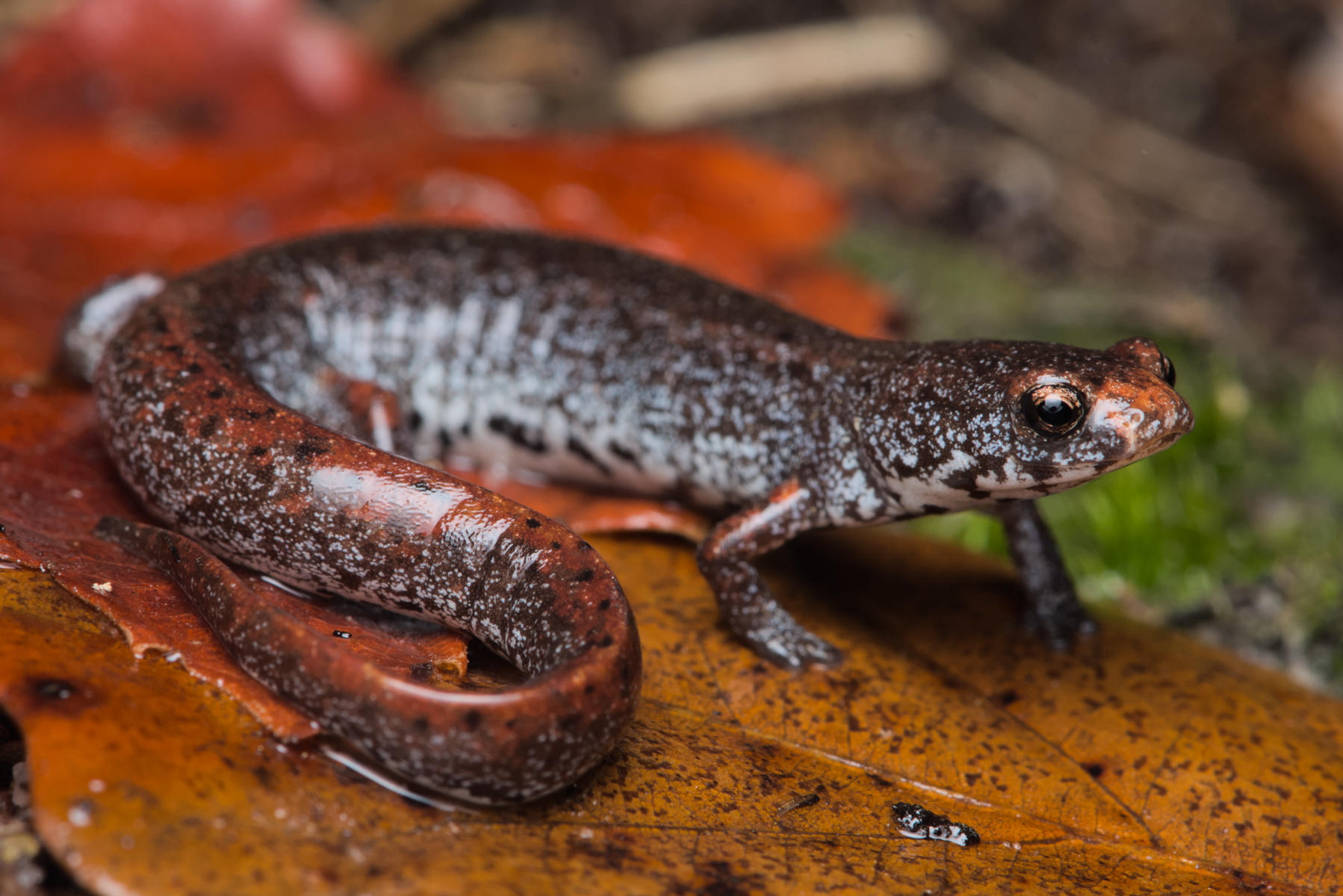
Four-toed Salamander (Hemidactylium scutatum). Photo by Ben Stegenga.
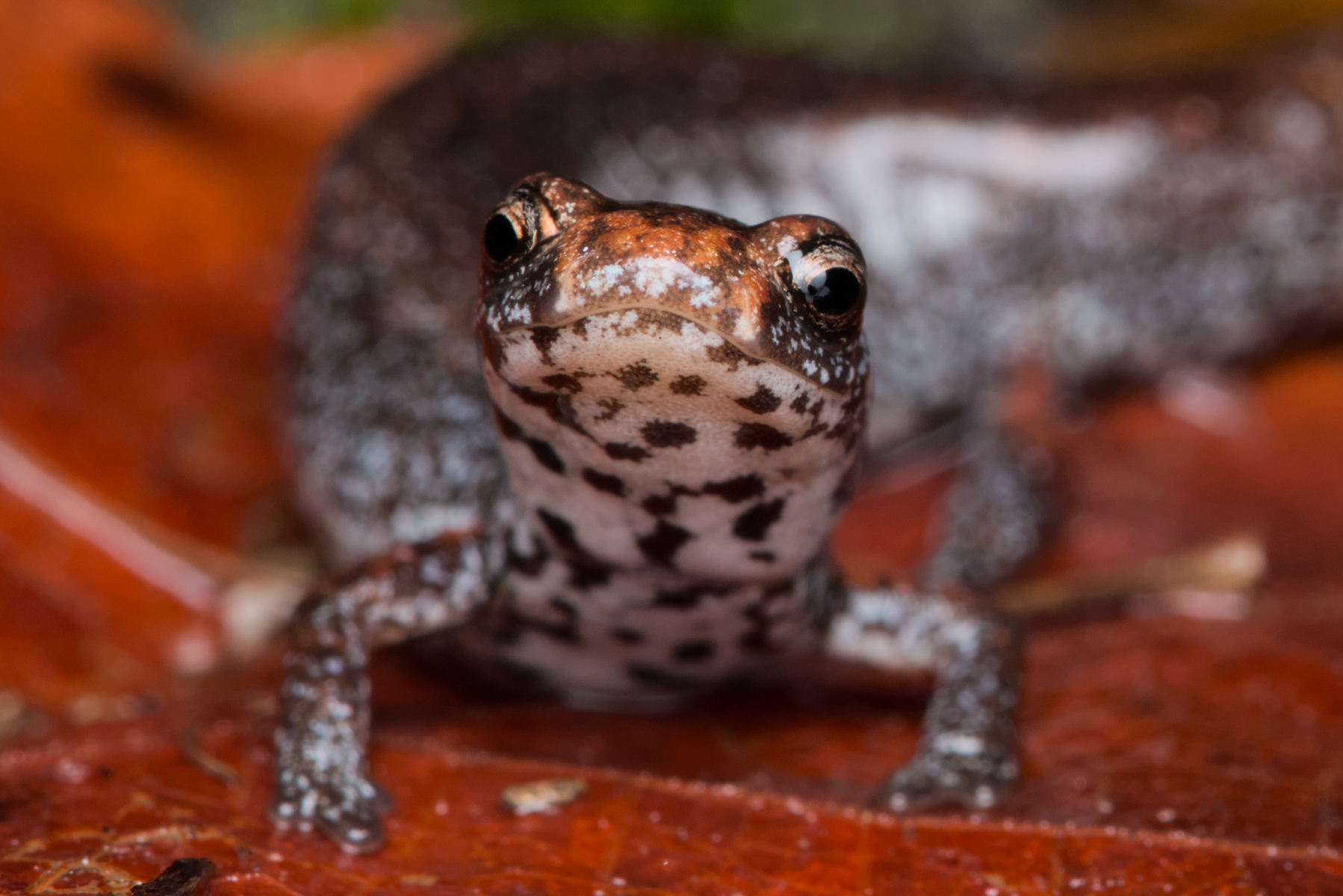
Close-up of a Four-toed Salamander. Photo by Ben Stegenga.
The Orianne Society is a 501(c)3 nonprofit organization dedicated to the conservation of reptiles, amphibians and the ecosystems they inhabit.
TELFAIR COUNTY, GA, UNITED STATES, March 25, 2026 /EINPresswire.com/ -- Biologists with The Orianne Society have documented a Four-toed Salamander (Hemidactylium scutatum) more than 70 miles beyond its previously known range in Georgia, a discovery that could reshape understanding of the amphibian's distribution in the Southeast.
The find came after months of drought, when winter rains triggered a brief window of amphibian activity in South Georgia. Surveyors entered the field expecting few detections but instead encountered a species never before recorded in the county and far outside its known range.
The salamander was discovered in early December during nighttime surveys by Research Assistant Ben Stegenga and colleague Kira Cates, taking advantage of one of the only rain events in months.
Four-toed Salamanders are widespread across the eastern United States, but in Georgia are largely confined to the Piedmont, with scattered populations in the Blue Ridge and Ridge and Valley. Coastal Plain populations are rare and poorly understood. This individual was found in a dry, pine-dominated landscape, a stark contrast to the species’ typical habitat of cool forested wetlands. This new record falls well outside all previously documented populations.
The observation was confirmed by state experts as both a county record and a significant range extension. The salamander was documented and released at the site.
The discovery raises new questions about how amphibians, and the ecosystems they depend on, respond to drought, land use, and shifting rainfall patterns. Amphibians are among the most vulnerable wildlife groups in North America and often serve as early indicators of ecosystem health. Their secretive nature means populations can decline or disappear long before scientists realize they are present.
“It’s a humbling reminder of just how cryptic reptiles and amphibians can be,” Mr. Stegenga reflected, “and no matter how much we think we know, there’s always more to learn.”
Tracy Karplus
The Orianne Society
email us here
Visit us on social media:
LinkedIn
Bluesky
Instagram
Facebook
YouTube
X
Legal Disclaimer:
EIN Presswire provides this news content "as is" without warranty of any kind. We do not accept any responsibility or liability for the accuracy, content, images, videos, licenses, completeness, legality, or reliability of the information contained in this article. If you have any complaints or copyright issues related to this article, kindly contact the author above.
